Thanks to my roommate I were allowed to publish this interview about his life and thoughts about Japan.
Tuesday, 17. September 2019
S. born in Nov. 2000 in Osaka, Japan.
“I am here at AIU (Akita International University) to have international interaction, speaking foreign languages and to go away from family to live alone. I want to live tough, to stand with two feet. It was my own decision to go so far away but my family agreed.
My father is chef in a hostel, my mother is a part time job worker. I have two older brothers. One is 20 years old and studies in Osaka. The other one is 24 years old and works in a hotel in Osaka.
My first memory is to open the door in the new house. We moved in a new house in Osaka. This image is like a dream but true.
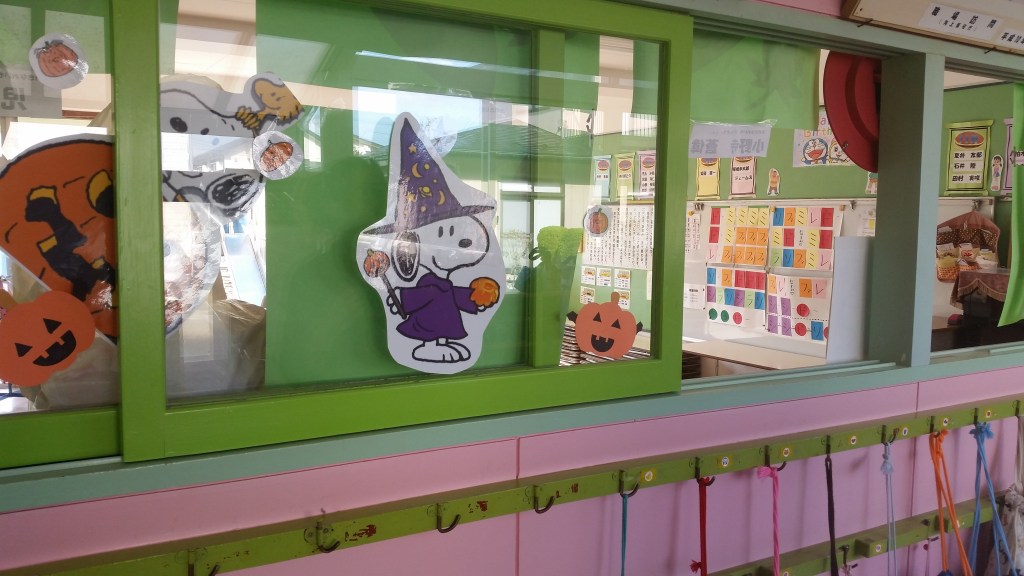
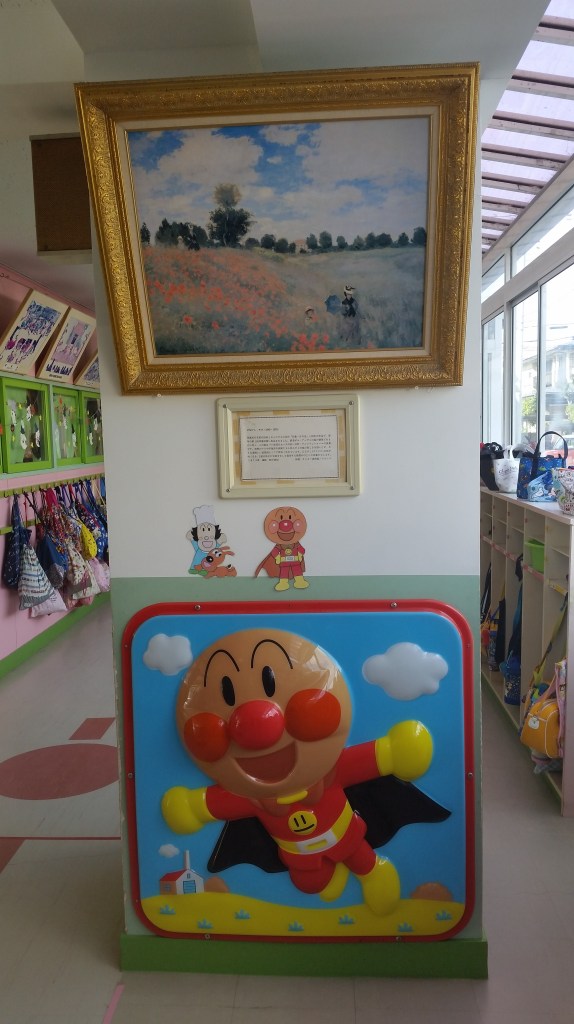
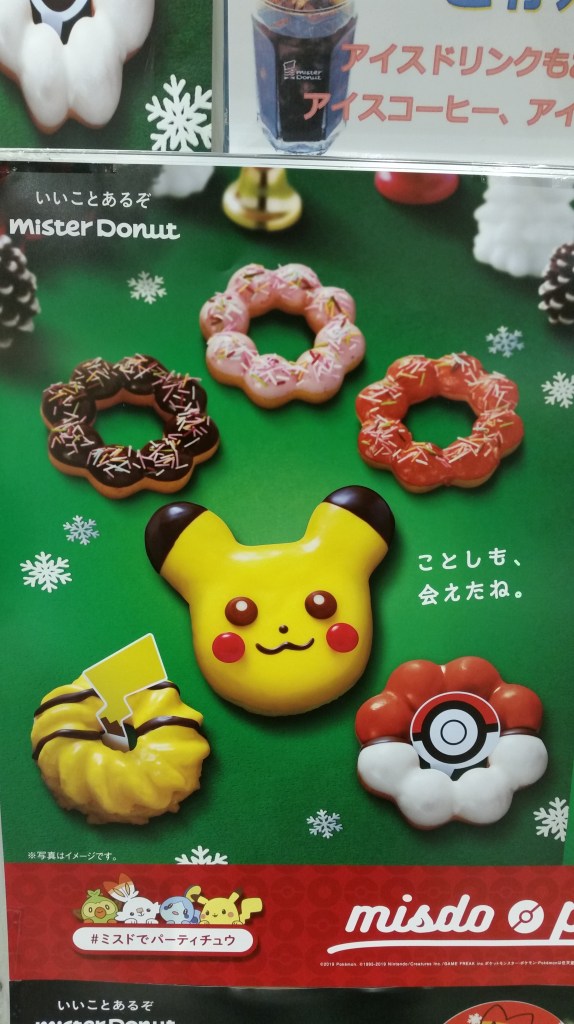
In kindergarten I stayed three years. It was not a usual kindergarten. We had tiny cage with rabbits and turtles and learned how to take care of animals. The main point of kindergarten is to spend time playing with friends. We had ball games, running and adventure. We also had a language teacher in kindergarten and learned simple greetings. But kindergarten is not for studying, the interaction with friends is the most important thing. Kindergarten was from 9 am to 2 pm. I got there with bicycle or by foot with my mum. In total I had a happy childhood including my friends and sometimes fighting with my two brothers. My toys were video games like the Nitendo DS. I played Dragon Quest and Pokemonster. In Osaka there are a lot of parks to play soccer or just being outside.
With the age of 6, which is the normal age in Japan, I visited elementary school. There were a lot of new things. My subjects were Japanese, mathematics, physical exercise, ethics and science. Ethics is about some basic understanding about moral, why is something good or bad. My favorite subject was science. We observed tiny creatures, used the microscope and had some small experiments.
I didn’t travel much. My both parents were busy with work and had simply not enough time to do trips. One trip I remember was to 三重県 (mie prefecture). It is next to Osaka. On this family trip I was 10. We visited a shrine and a theme park with a Spain-village. It was fun.
With one brother and my mother I visited Hiroshima prefecture. I was interested in playing GO. There is one island which is famous for GO-players because there lived in ancient times a well known GO-player. We also visited a museum and I played with my brother. At home eating together was most of the time not possible. I ate sometimes just with my brother or mother or alone.
From the age of 12 to 15 I visited the Junior High school. There I was member of the Shogi and GO club. I played a lot of Shogi. You have to use the mind to win the game. Chess was not so famous but there was also a chess club. In music class I played harmonica, guitar and Kotto, a traditional instrument. In Junior High I studied for entering high level High School. There is a hierarchy of High Schools in Japan. Low level High Schools lead normally directly to a job and with being in high level High School you can get into a high level University.
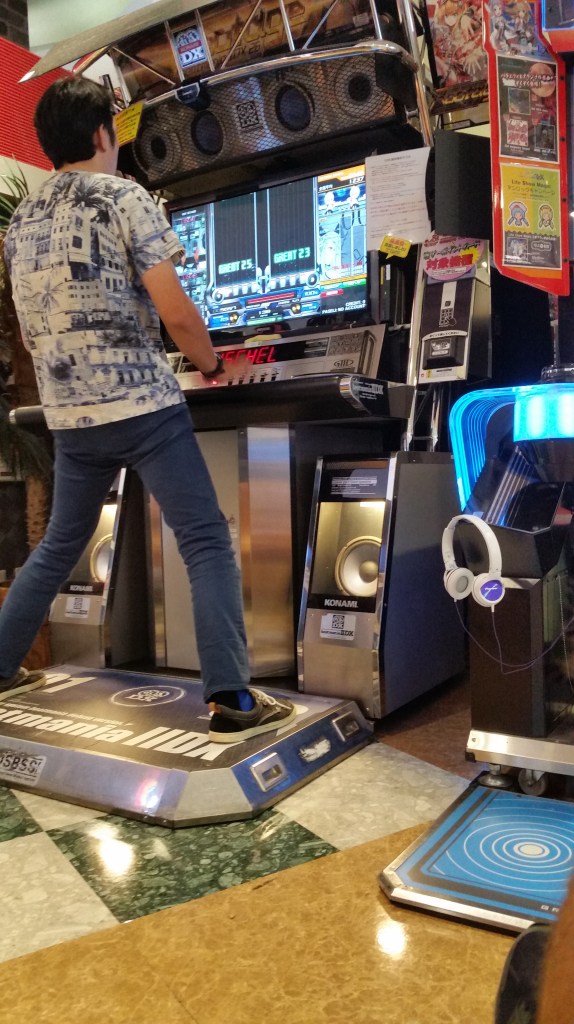
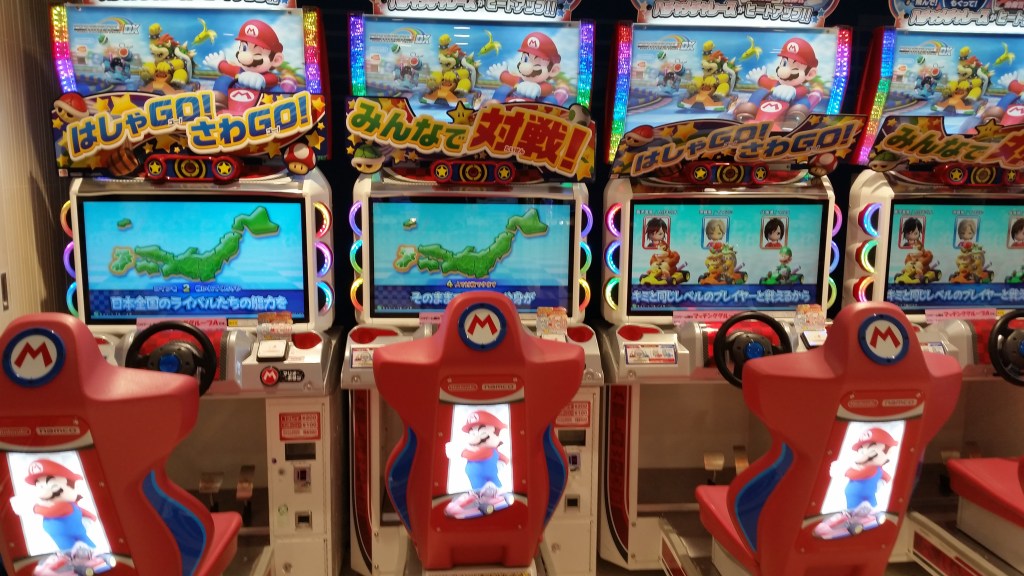
In my free time I liked watching Anime and Japanese comedy. I liked playing with friends, it is not common in Japan to stay overnight. We went shopping or went eating out to Mc Donald’s, “I’m lovin’ it”. In game-centers we played often car races or shooting games. There were also Jump comics. It is a magazine with one chapter of several manga’s in it. They are published weekly. Thereupon, if you want to have the whole story you have to get them weekly.
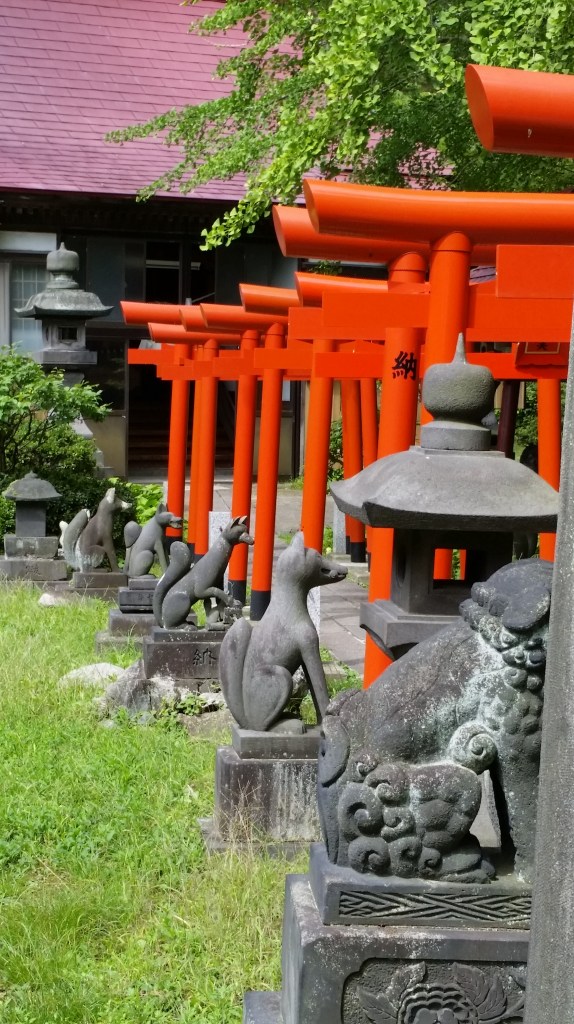
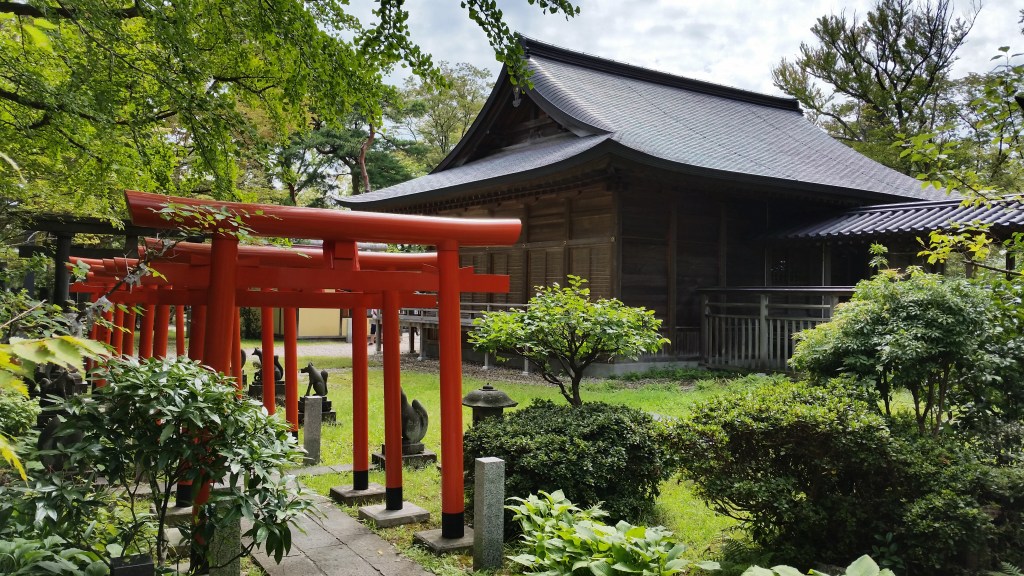
It is a Japanese tendency to take advantages of different religions. My parents are not religious but for example in funeral we do it like in Buddhism, for marriage we go to church and at New Year we celebrate New Year. For Matsuri, which literally means “admiring the god”, we go to a shrine near my house. In Shinto everything has a god. There is a god in the pen, even in your smart phone. Everything has its own god. At the shrine were many food stamps so we just enjoyed the festival and the eating even if we are not so related to religions. Hanami, watching cherry blossoms is also famous in Japan. Birthdays we celebrate like western countries with a cake and candles. The number of the candles are matching the age.”
I asked him about Japanese history and politics:
“I am not a specialist. We have around 40-50 ministers. The political system was bad. Some ministers were cheating or were involved in criminal activities. Not all were super good persons. If such people are in the system it does not work well. I think in European countries the Emperors have or had the power. The Japanese Emperor is a symbol of Japan – which is the first article in the constitution. Emperors are not so different from our aura, they are just human as well. Some people say it is a waste of money, others say is shows Japan since ancient times, even if they have no power. It totally depends on people.
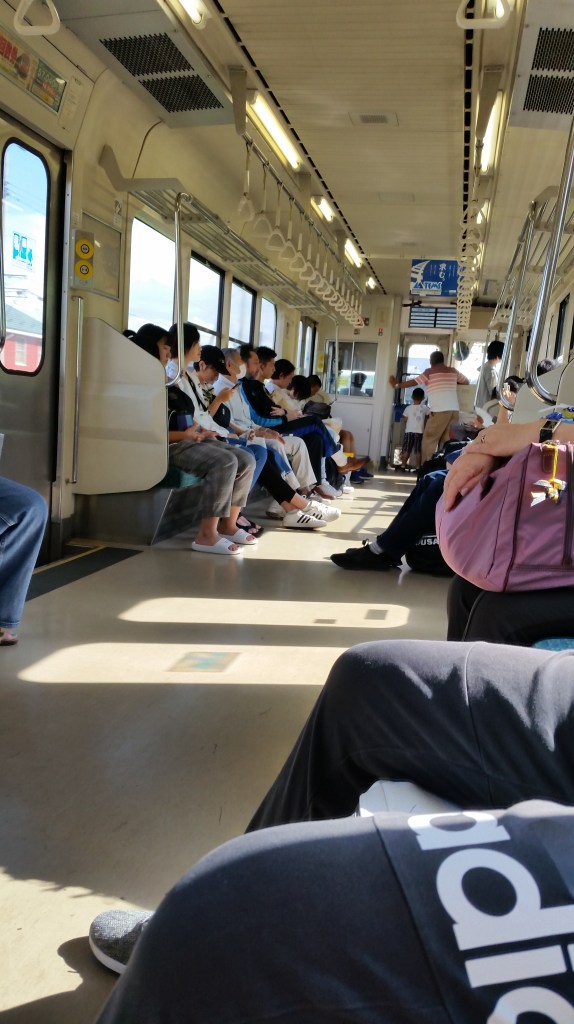
To Junior High school I had to go by train. I saw a lot of foreigners but I didn’t talk to them because they were strangers.
High School I attended from 16 to 18. It was a missionary one founded by Christians. I joined science club and studied harder. There was a foreigner from Germany. I had interaction with him in English. The school rules were very strict, so it is not common to drink under age (20 years) or to smoke marijuana. At least there is no information at all where to buy it.
Here in Akita International University I joined the Rock Band club because I like the guitar. Music is part of my life and now I am in a Heavy Metal Band. We play on Sunday 9:50pm in student hall. I am also in the AIU festival committee. There was no purpose for entering, I just want to be a part, a member and create an enjoyable festival. It is mandatory for AIU students to study abroad. I want to study somewhere in Europe where it has warm temperature and is next to the sea. I do not like the cold as we have it here in Akita.”
After graduation what will you do?
“Ahhm I will… it’s unclear, but international interaction, communication, travel abroad to see several beautiful places. By the time I die I will have visited Greece, Venice, some areas I have never seen.”
Why do you want to travel?
“I have not much experience. My parents have three children and not so much time etc. “
Which part of the Japanese history do you like at most?
“Sengoku Jidai period. There were many samurai, famous words and interesting stories. It was a lot about strategy how to win the battle.”
What do you think about World War II?
“We Japanese thought we are stronger than any other, but people realized how tiny Japan was. During the World War Japan had developed dramatically commercial and in spirit, mind. In that time people had to spend though and poor life. There was not enough food, they were though according to survive somehow. Today Japanese teenager are not tough because there is everything today.”
Why do you want to live tougher?
“Japan has natural disasters and is surrounded by sea. Japan is affected from four part of plates which causes earthquakes. 2011 a massive Tsunami from the Pacific Ocean hit Tohoku region. Some parts have radioactivity. All this cause health damage. Japan is vulnerable. We can’t live without other people. But if I have skills to clean water or generate electricity by hand we can live longer. I know a guy he moved from Tokyo to Akita. After the experience with Tohoku earthquake he lives here cultivating rice fields and vegetables by himself. I think it is a good way to live longer. I love useful life with technology but at the same time survival skills are important to life.”
Do you think there was a similar effect according showing flags in Japan after World War II like in Germany?
“If people have the Japanese flag people tend to think they are in the right wing. Such bad times. They are related to war people think so. But most people don’t feel any guilty about World War II. Maybe there is no meaning at all in having a flag today.”
Do you think Japan started the war?
“The very first act of WWII in the pacific start from Japan with Pearl Harbor. I learned it in history. Today in the Japanese constitution we cannot start war from ourselves. But we have to protect. The self-defense-force in Japan is very very strong. It is like a military, a strong influence.”
Do you think it was right to attack Pearl Harbor?
“It was series at the time. If you attack you have to send information. So it was out of rules of international criteria. But if Japan had send a notification, Japan couldn’t attack so.”
What do you think about the A-bombs?
“It was a very important lesson to the earth how dangerous this bombs are. Nevertheless some countries still have them. Japan is the only country were such bombs have dropped. It shows a lesson.”
Do you think the A-bombs were necessary to end the war?
“The ideal way were to have communication. To talk to each other and stop at one point. But it is ideal. The reality is far from the ideal. America didn’t had to drop the bombs, they could win without.”
Are you proud to be a Japanese?
“Yes.” Why? “I think it is a miracle after World War II there was nothing. Now we are Number 2 of GDP because of spirit and mind of Japanese people passion to go further. Even in disasters they did go on and developed Japan.”
How is Japan? How would you describe it to someone who is unfamiliar with the country?
“Ehh… … hm Japan. Maybe -unique- is one of the abstract words you can use. Most people are Japanese people only. In Germany are many immigrants, are mixed many ethnic groups. In Japan the total number of people is around 120 million. In such a tiny land the most of them are Japanese. The land is surrounded by sea. Japanese are hard worker. In the developing progress they worked really hard. Through their contribution Japan has become how it is. It is dangerous that Japan is being Americanized. Heritages are lost by such monopolization. We have to protect tradition in Japan. Good things should be protected for a long time or forever.”
How would you describe Japanese culture?
“Some of Japanese culture are from China or India. Japan developed in an own style so the Japanese can feel comfortable with it.”
Is hierarchy part of it?
“It is important and necessary, it is a culture of Japan. It also has good aspects like hmm… I don’t know how good it is, but we are raised in hierarchical society, so we feel comfortable with it. I want to have an objective point – So what do you think Martin about hierarchical structure in Japan.” One hand I admire it how respectful people are to each other. In western societies we have a lack of respect. One the other side it must be hard for people who are on the lower hierarchical order.
Do you want to marry?
“Yes in the future. If not I could feel lonely.” Describe your ideal partner. “Ehhm make me delicious meal. I also like to cook, I want to be also chief in the family. I also think I want a wife with whom I feel happy whatever happens. It doesn’t matter if she is from Japan. Someone with whom I can communicate in verbal message. I started Russian.”
What is important in a good and healthy marriage?
“To be together and having communication.”
Do you want children?
“I have no idea now. I want to have a meaningful life. Maybe with children I have stress. There are negative and positive aspects. I have no idea, maybe, it depends on my future wife.”
Having a girlfriend in Japan?
“It could feel like pre-marriage.”
Do you feel a clash between modernization and tradition in Japan?
“In Akita it is very rural. In Tokyo is no such place. IT-companies try to go to rural areas. The Youth can therefore work also in rural areas if there is network or wifi. Employees can have a more stress less life. In urban areas they are more stressed and also the air is bad. They try that the employees stay healthy even if they are working on the computer.”
What do you think is the most important thing in life?
“Many things. Hmmmmmmmm. One: Be healthy – my life is far from healthy at the moment, but I try to be healthy. Two: Making every experience meaningful.” How? “The way of thinking. Positive thinking. In failure you think it positively and learn from it even if it’s embarrassing.”
Is there anything you want to add?
“Yeah that’s ok for now.… Martin why do you do this interview?” To learn more about the country and people. “That’s great! If you want I can introduce you to some more Japanese people that you have a more diverse view.”
Which topics would interest you in further interviews?



 martinaroundtheworld